Summer Hits Different After Breast Cancer
For most people, summer means vacations, long days outside, and a general sense of ease. For breast cancer survivors, it can mean something a little more complicated.
The heat can cause a lymphedema flare. Hot flashes — already miserable — become almost unbearable. Fatigue sets in faster when your body is working hard just to regulate its temperature. Long road trips and flights can increase swelling and even clot risk.
None of this means you can’t enjoy summer. It just means you need a plan.
Here’s what I want every survivor to know before they head into the heat.
How Summer Heat Affects Breast Cancer Survivors
Before we get into tips, it helps to understand why summer is harder on your body after breast cancer treatment.
Heat and lymphedema go hand in hand — and not in a good way. When temperatures rise, blood vessels dilate to help cool the body. This increased blood flow can overwhelm a lymphatic system that is already compromised, leading to more fluid buildup in the affected arm, hand, or chest. If you have lymphedema or are at risk, summer requires extra attention.
Heat and hot flashes are a brutal combination. If you’re on Tamoxifen, aromatase inhibitors, or went through chemotherapy-induced menopause, you already know what hot flashes feel like. Add high summer temperatures and suddenly your thermostat is completely unmanageable.
Heat and fatigue compound each other quickly. Cancer-related fatigue is real and persistent. When your body is also working to regulate temperature in extreme heat, energy depletes faster than you expect. What feels like a manageable afternoon outside can turn into a multi-day crash if you’re not strategic.
Managing Lymphedema in the Summer Heat
Wear Your Compression — Especially Outside
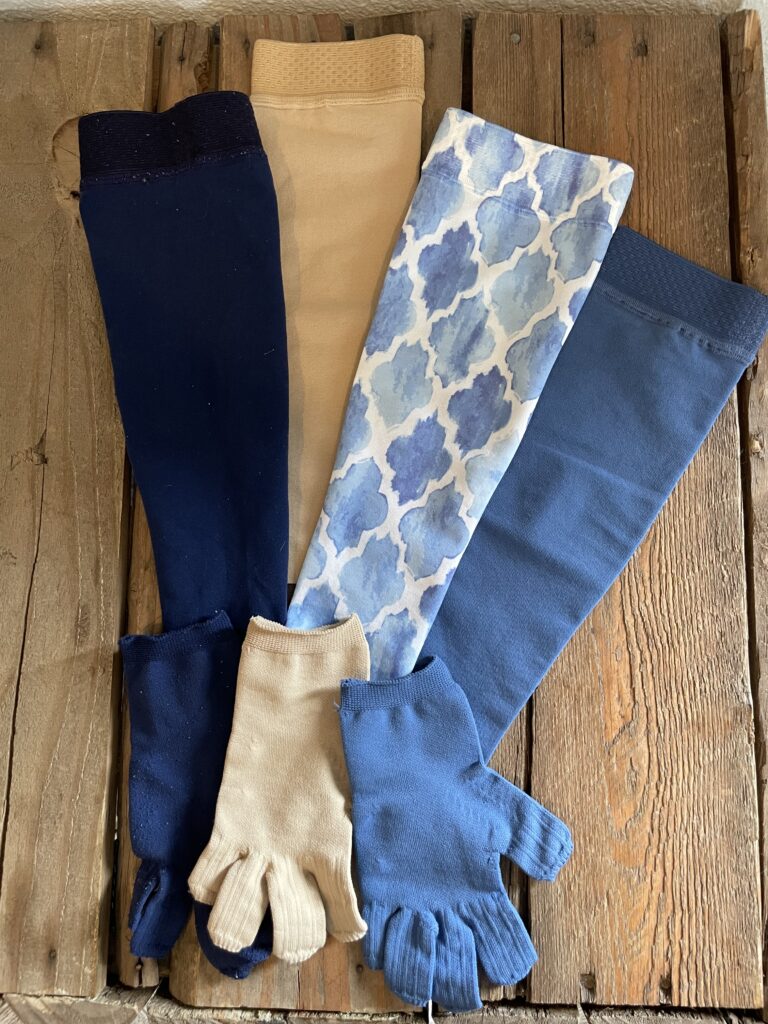
I know. It’s hot. The last thing you want is a compression sleeve in July. But heat increases your risk of a flare, and compression is one of the most effective tools you have for keeping swelling under control.
If you’re going to be outside in the heat, wear your sleeve and glove. Some women find lighter weight or moisture-wicking compression garments more comfortable in summer — ask your lymphedema therapist or provider about options.
Do Manual Lymphatic Drainage More Frequently
Heat may mean your lymphatic system needs more support than usual. If you normally do self-MLD once a day, consider doing it twice during particularly hot stretches. MLD helps move fluid through functioning lymphatic pathways and can make a meaningful difference in keeping swelling under control during summer months.
Avoid the Hottest Parts of the Day
If you’re spending time outside, try to do it before 10am or after 4pm when the sun is less intense. This isn’t just about comfort — prolonged heat exposure genuinely increases lymphedema risk and depletes energy reserves faster.
Take Regular Breaks from the Heat
If you’re going to be outside, plan to step into air conditioning every 15-20 minutes when possible. This gives your lymphatic system and your body temperature a chance to reset before you go back out.
Swim — It’s Actually Great for Lymphedema
Swimming and water exercise are some of the best things you can do for lymphedema management. The gentle pressure of the water acts similarly to compression, and the cool temperature helps prevent overheating. If you have access to a pool or open water this summer, use it.
Hydrate Consistently
This one sounds simple, but dehydration concentrates lymph fluid and can worsen swelling. Carry a refillable water bottle everywhere and drink consistently throughout the day — don’t wait until you’re thirsty.
Don’t Forget Sunscreen — Especially on Radiated Skin
Radiation changes the skin permanently. Radiated skin is more fragile, more sensitive to UV damage, and more susceptible to burns. Sunburns on or near a radiated area can also increase your risk of a lymphedema flare.
Wear SPF 30 or higher every day you’re outside, reapply regularly, and consider UV-protective clothing for extended outdoor time.
Protect Your Affected Arm from Bug Bites and Injury
Any break in the skin on your affected arm — including bug bites — can introduce bacteria and increase your risk of infection, which is a common trigger for lymphedema flares. Bug spray and lightweight long sleeves are your friends during outdoor activities. Even a small scratch is worth being careful about.
Looking for other quick tips for helping manage swelling from breast cancer related lymphedema? Check out my Swelling Freebie

Managing Hot Flashes in the Summer
If you’re already dealing with treatment-induced menopause, summer can feel like you’re running a fever that never breaks. A few strategies that help:
Avoid your personal triggers in the heat. You probably already know what triggers your hot flashes — coffee, sugar, alcohol, spicy foods. In the summer heat, your threshold for triggering a flash is lower. If you’re going to be outside or in a warm environment, skip the triggers ahead of time.
Dress in layers and choose moisture-wicking fabrics. Lightweight, breathable clothing helps your body regulate temperature more efficiently.
Plan outdoor activities strategically. Early morning is your best window — temperatures are lower and the day hasn’t heated up yet.
Stay ahead of hydration. Dehydration makes hot flashes worse and more frequent.
For a deeper dive into managing treatment-induced menopausal symptoms year-round, check out my full blog post: Managing Menopausal Symptoms After Breast Cancer Treatment.
Pacing Yourself in the Heat
Cancer-related fatigue doesn’t take a summer vacation. Heat amplifies it significantly. A few principles worth keeping in mind:
Take breaks before you feel like you need them. By the time you feel exhausted in the heat, you’ve already pushed too far. Build rest into your day proactively rather than reactively.
Plan recovery time around any big outdoor activities. If you know Saturday is going to be a full day outside, protect Sunday as a recovery day. This isn’t weakness — it’s strategy.
Listen to your body over your schedule. Summer plans are great. They’re also not worth a multi-day crash. Give yourself permission to modify or step back when your body is asking you to.
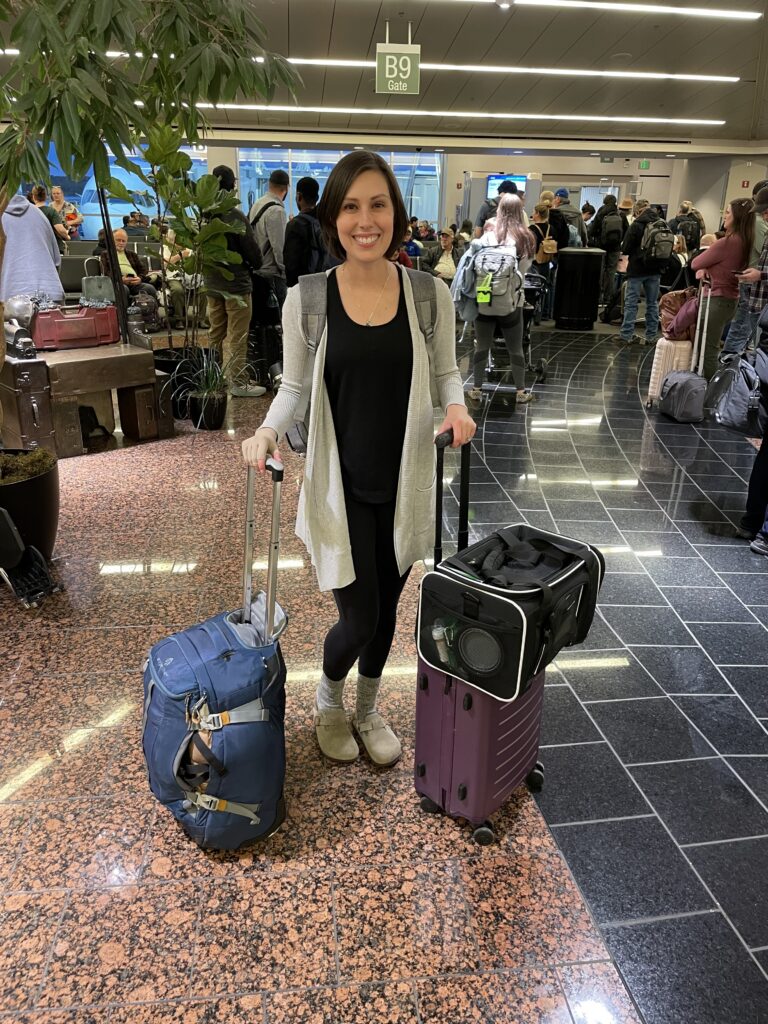
Summer Travel After Breast Cancer
Long drives and flights come with their own set of challenges for breast cancer survivors. Prolonged sitting reduces circulation, can worsen swelling, and increases the risk of blood clots — particularly relevant if you’re at elevated clot risk from chemotherapy or hormone therapy.
Here’s how to travel smarter.
Move Every Hour
Whether you’re in a car or on a plane, get up and move at least once per hour. On a plane, walk the aisle. On a road trip, stop and get out of the car. Even five minutes of walking resets your circulation significantly.
Do In-Seat Exercises
When you can’t get up — during takeoff, turbulence, or long stretches of highway — do ankle pumps and shoulder rolls from your seat. Ankle pumps (flexing and pointing your feet repeatedly) activate the calf muscle pump and keep blood moving. Shoulder rolls help maintain lymph flow and reduce stiffness.
Diaphragmatic breathing is also worth practicing on long trips. Deep belly breathing activates the thoracic duct — the main lymphatic vessel in your trunk — and helps keep lymph moving even when you’re sedentary.
Wear Compression When Flying
There is some debate in the research about whether air pressure changes alone cause lymphedema flares. Current evidence suggests the pressure changes mid-flight may not be the primary culprit — but everything you do to get to the airport absolutely can be. Lugging heavy bags, rushing through terminals, navigating crowds, and sitting for hours are all significant stressors on the lymphatic system.
My recommendation: wear your compression sleeve and glove on flights regardless. It’s a low-effort, high-value precaution.
Lymphatic Drainage Before and During Travel
If you do self-MLD, plan to do it the morning before a long travel day and again when you arrive at your destination. For longer trips, consider doing a shortened self-MLD sequence during a layover or rest stop.
The Lymphedema Pump Travel Tip You Probably Don’t Know
If you use a pneumatic compression pump for lymphedema management, here’s something worth knowing: if you have a letter from your provider stating that it is a medically necessary device, you can carry it onto a flight in a separate bag free of charge — and it does not count as your one carry-on allowance. Talk to your provider about getting this documentation before you travel.

Pack Like a Survivor
A little preparation goes a long way on travel days. My recommended packing list:
- Compression sleeve, glove, and/or bra
- Lymphedema pump if you use one (with provider letter)
- Refillable water bottle
- Healthy snacks — avoid high-sodium travel food that worsens swelling
- Exercise clothes — even on travel days, movement matters
- All lymphedema management supplies
- Sunscreen
- Bug spray if you’ll be outdoors at your destination
- Medications (and meds to manage any side effects to help make your trip more enjoyable!
Final Thoughts
Summer after breast cancer doesn’t have to mean staying inside or sitting on the sidelines. It means being smarter about how you participate.
The heat is real. The fatigue is real. The lymphedema risk is real. But so is your ability to manage all of it with the right tools and a little planning.
You’ve already done the hardest thing. A hot summer is manageable. 🦡
Disclaimer: This post is for educational purposes only and is not a substitute for medical advice. Always work with your medical team on treatment and management decisions. Always consult your oncologist, physical therapist, or medical team before making changes to your management plan.