Too often I hear things like:
“I only had two lymph nodes removed, so I don’t have to worry about lymphedema.”
“I don’t have much swelling… just some random puffiness that comes and goes. So my doctor told me not to worry about lymphedema.”
“I had breast cancer five years ago and never developed lymphedema, so I’m fine.”
The truth is, lymphedema is understudied, often overlooked, and not discussed enough. And that lack of education has real consequences for survivors.
So I want to share my personal lymphedema story, provide helpful information, and dispel some common myths.

You can do everything “right” and still develop lymphedema
As a physical therapist, I did all the things you’re told to do to reduce the risk of lymphedema. And I still developed it.
When I first noticed mild swelling in one finger, I’ll be honest: I felt like I had failed. Like I had caused it. Like I had done something “wrong.”
But the truth is this: you can do everything right and still develop lymphedema.
Just like breast cancer, you can live a healthy lifestyle, have no family history, and still receive the diagnosis.
This entire breast cancer experience has been one long lesson in the things I cannot control about my body.
The good news? The earlier lymphedema is identified, the better it can be managed. Early awareness can prevent progression into more chronic stages, and that knowledge truly matters.
My breast cancer treatment history
I had a single mastectomy with two lymph nodes removed, followed by 28 rounds of radiation. I had no signs of lymphedema during surgery, chemotherapy, or radiation.
As a PT, I understood the basics of lymphedema risk reduction:
- Avoiding overuse of the affected limb
- Addressing radiation fibrosis and cording early
- Manual lymphatic drainage (MLD)
- Appropriate use of compression
Several weeks after finishing radiation, radiation fibrosis hit hard. I also developed a grade IV capsular contracture of my tissue expander.
Although my surgeon initially minimized my concerns, I knew something more was happening. So I requested a referral to a certified lymphedema therapist (CLT).
That decision made such a difference. My occupational therapist was incredible. She helped break down fibrosis, guided my care, and educated me in ways I hadn’t received anywhere else. Progress was slow, but my symptoms did begin to improve.

Early signs my lymphatic system was struggling
A few months later, I developed cording in my armpit, which caught me off guard since I was over six months out from surgery and several months past radiation.
Due to my young age and aggressive radiation treatment, my fibrosis was significant, which eventually contributed to the development of cording.
Looking back, the progression makes sense:
- Fibrosis was the first sign that my lymph system needed more support
- Cording was the next sign my lymphatic system wasn’t happy
This is important, because lymphedema doesn’t start with visible swelling.
In fact, the earliest stage (Stage 0 lymphedema ) can present as tightness, heaviness, aching, fatigue, numbness, or just the limb feeling “off” before any swelling is visible. Radiation fibrosis and cording are also risk factors for development of lymphedema, and cording is a sign that your lymphatic system is struggling.

Surgery, recovery, and doing everything I could
I was scheduled for my implant exchange surgery about two months after the cording developed. I worked diligently to improve it: performing MLD, using compression during higher-level activity, modifying movement based on symptoms, and continuing weekly visits with my OT for hands therapy that I could not perform on myself.
While the cording improved significantly, and was no longer symptomatic, it wasn’t completely resolved.
During surgery, my cosmetic surgeon informed my husband that the procedure was taking longer than expected due to a grade IV capsular contracture, requiring a capsulectomy in addition to the implant exchange.
After surgery, I felt dramatically better. The contracture was gone, symmetry was restored, and fibrosis improved.
I still had mild cording, but it remained mostly asymptomatic. I returned to exercise slowly and intentionally, prioritizing lymphatic-friendly progression.
When visible swelling appeared
The first time I noticed visible swelling was the morning after a dental appointment where I had multiple cavities filled (thanks, chemo).
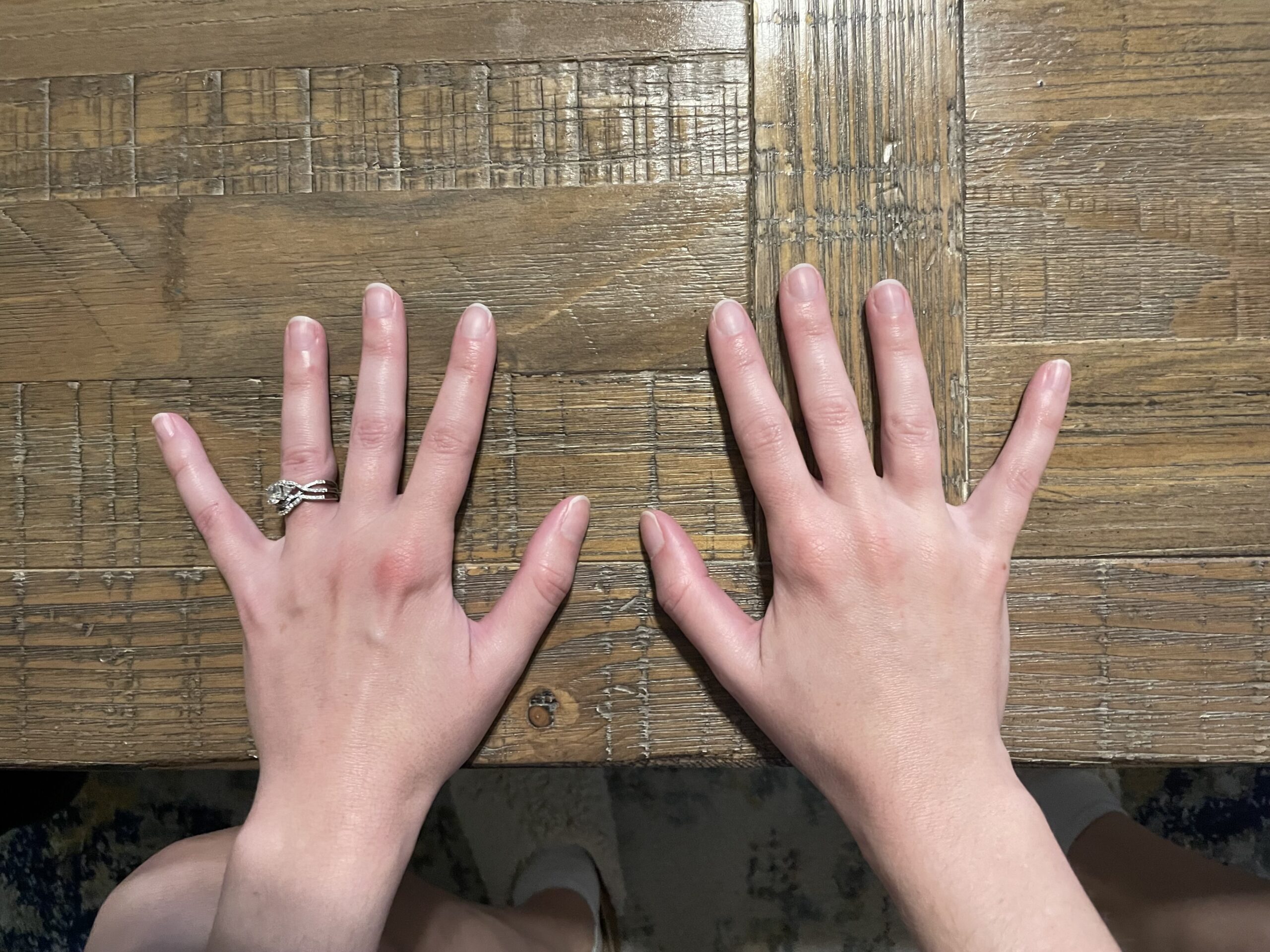
I woke up with mild swelling in my hand and index finger and went straight to my OT, panicked.
She calmly explained that the inflammation from dental work combined with recent surgery was simply more than my lymphatic system could handle at that moment.
I was frustrated that I had done all that work and STILL developed lymphedema.
I asked her if I had done something wrong.
She said: “Absolutely not, you did nothing wrong. In fact, because you were so aware of your body, you were able to spot it before it progressed to a more chronic state.”
That moment changed everything for me. I knew these things due to my education, but emotionally, I needed to hear it from someone else.

Understanding my inflammation threshold
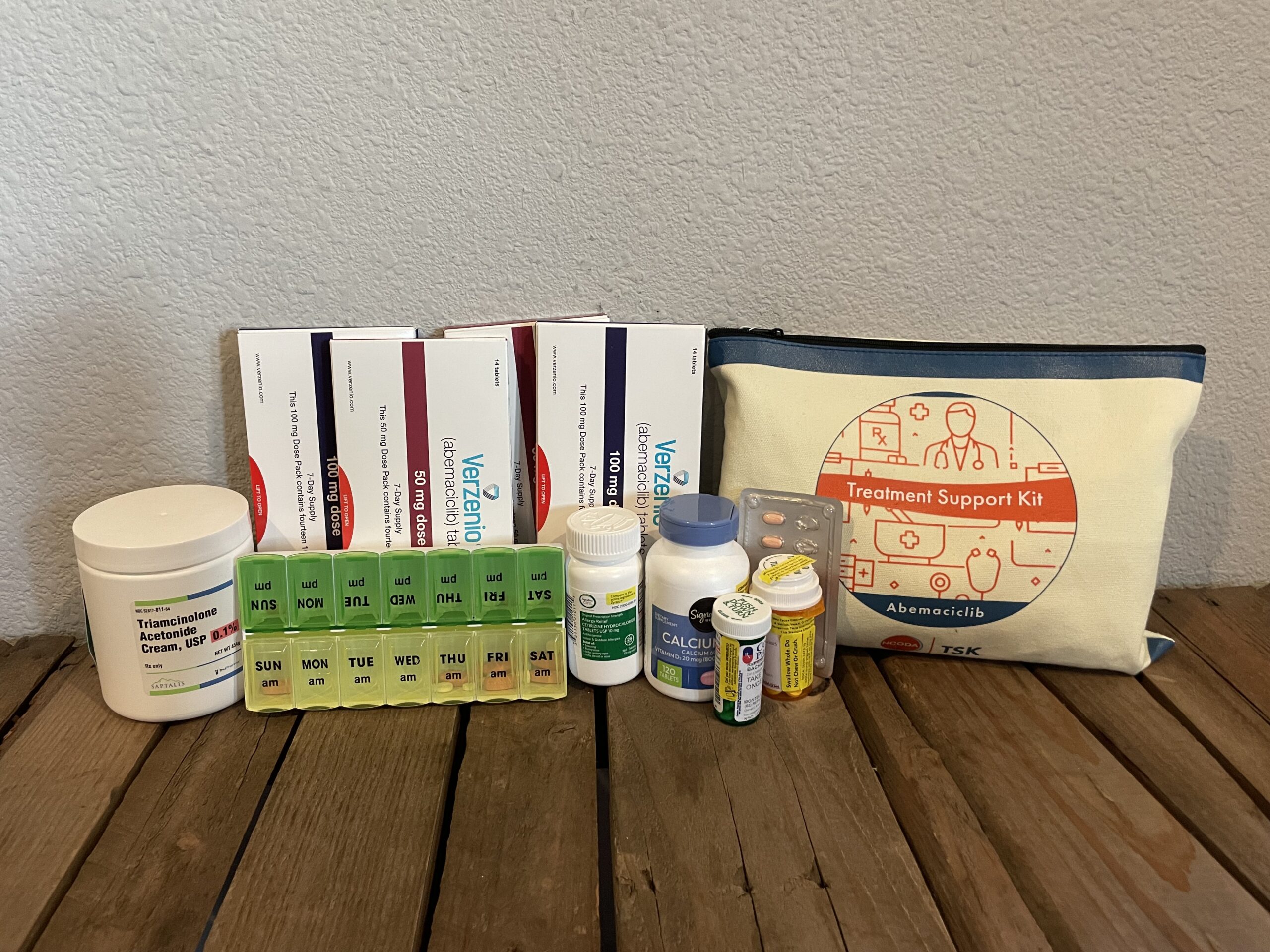
Later, I learned I am allergic to Verzenio, which causes a severe, full-body rash. Despite this, I continue taking it due to my high risk of recurrence, and manage symptoms with antihistamines.
That diagnosis of my allergy helped everything click.
My body exists in a constant state of elevated inflammation, meaning it doesn’t take much to push me past my individual threshold.
This doesn’t cause lymphedema, but it explains why flares can happen more easily right now.

Ongoing management
I caught my lymphedema at Stage 0, and am now technically Stage 1, due to the occasional presence of mild swelling in my hand.
Because it was identified early, I’ve been able to keep it well-controlled, and most of the time it now behaves like Stage 0, with no visible swelling, just early symptoms I know how to manage and prevent progression into swelling.
Until I complete Verzenio (six months left and counting), I expect my lymphatic system to remain more sensitive.
I am diligent with my care:
- Manual lymphatic drainage every day
- Regular exercise with appropriate modifications
- Compression sleeve, glove, and bra when needed
- Stopping activities at the first sign of symptoms
- An anti-inflammatory diet
If you need resources to help you manage or reduce your risk of lymphedema, you can check out my MLD Handout, or find the exercise program that’s appropriate for your stage of treatment or recovery. They are all based on thoughtful, lymphatic friendly progressions.
I’m also a mom to a very active toddler and a practicing physical therapist, so flare-ups aren’t always avoidable. I’ve learned to accept this, and how to manage flares pretty well.
Over time, I’ve learned to identify my personal flare triggers:
- Repetitive hand use (writing, baking, knitting, typing)
- Sustained gripping
- Stress – managing this one has been a game changer for me
I don’t completely avoid these activities, but I modify how I do them. This may mean: rest breaks, pacing, decreased time doing the activity, or temporary avoidance during a flare up.
Everyone has different triggers. My best advice is to pay attention to your personal triggers and modify those activities as needed to prevent (or manage) a flare.

What I hope you take away from my story
If you have lymphedema, you did nothing wrong.
There is not enough education provided to breast cancer survivors about lymphedema risk, early symptoms, or management. Too often, we’re provided with vague (or no) information. This has to change.
When you know the signs to watch for, lymphedema can be caught early, and early care reduces the risk of progression into more chronic stages. This is so important.
Lymphedema is a difficult diagnosis, but it is not a hopeless one. With education, awareness, and early care, it can be managed.
And you are not alone in figuring it out.