When you’ve had breast cancer, the world gets noisy. Suddenly everyone has an opinion on how you should live now.
“Drink this juice. Stop eating that. Just stay positive. Don’t stress.”
It’s overwhelming. It feels like a second job you never applied for. And if we’re honest? It starts to feel like pressure. Like if the cancer comes back, it’s because you weren’t “positive” enough or you ate a cookie.
Let’s stop the noise and look at the evidence.
If we strip away the fluff and look at high-quality research, what actually moves the needle? What actually improves breast cancer survival rates?
It’s not magic. It’s not perfection. It’s these six things.

1. Physical Activity
This is the big one. And the data is clear.
Multiple large studies show that women who move their bodies after a diagnosis have a lower risk of recurrence. They have lower mortality rates. They live longer.
We aren’t talking about training for a triathlon. We’re talking about moderate exercise for cancer survivors. Walking. Dancing. Hiking. Whatever movement you enjoy and will stick with.
The experts (American Cancer Society and American College of Sports Medicine) suggest:
- Aerobic Exercise: Aim for 150 minutes of moderate activity a week.
- The Math: That’s just 20 minutes a day. It counts. It adds up.
Movement changes your biology. It influences insulin, inflammation, and estrogen metabolism. It is a powerful lever. And you are the one holding it.

Strength training specifically, deserves its own conversation.
Historically, women with breast cancer were told to avoid lifting because of lymphedema risk.
We now know the opposite is true when it’s progressed appropriately.
Progressive resistance training:
- Does NOT increase lymphedema risk when supervised and gradually progressed
- Improves body composition
- Improves insulin sensitivity
- Improves fatigue
- Improves bone density
- Improves physical function
And muscle mass itself is metabolically protective.
2. Limit Alcohol
Alcohol is one of the few lifestyle factors that has a clear and well-established link to breast cancer risk.
Research consistently shows that alcohol consumption increases circulating estrogen levels and exposes the body to acetaldehyde, a toxic byproduct of alcohol metabolism that can damage DNA. These mechanisms are believed to contribute to cancer development.
Even relatively small amounts of alcohol can affect risk. Studies show that women who consume about one drink per day have a 7–10% higher risk of developing breast cancer compared with non-drinkers, and risk increases further as intake rises.
Because of this evidence, and because alcohol is a known carcinogen linked to several cancers, most cancer prevention organizations recommend limiting alcohol intake or avoiding it altogether as part of a healthy lifestyle after breast cancer.
This doesn’t mean you have to be perfect. But reducing alcohol consumption is one more modifiable habit that can support long-term health after treatment.
3. Sleep
Chronic sleep disruption is associated with higher inflammation, Insulin resistance, and Hormonal dysregulation. Some studies suggest short sleep duration may be associated with poorer cancer outcomes, though data is more mixed than with exercise.
What we do know: Sleep supports immune function, metabolic regulation, and cognitive recovery after treatment.
4. Maintain a healthy body weight
Weight management after treatment is linked with better long-term health outcomes. This isn’t about being thin. It’s about how your body handles energy.
Insulin resistance and excess adiposity are associated with higher recurrence and mortality risk in hormone receptor positive breast cancer.
Improving blood sugar regulation, lean muscle mass and visceral fat levels can positively influence inflammatory and hormonal pathways linked to recurrence risk.
And again, strength training and regular movement directly support this.
5. Lymphatic Support & Managing Treatment Side Effects
Untreated lymphedema, radiation fibrosis, cording, and postural changes don’t just affect comfort, they affect movement capacity.
If you can’t move well, you move less. And when movement drops, so does everything else.
Supporting the lymphatic system with:
- Progressive loading
- Mobility work
- Specific exercise
- Complete Decongestive Therapy (CDT)
allows women to stay active long term. Which circles back to improved outcomes.

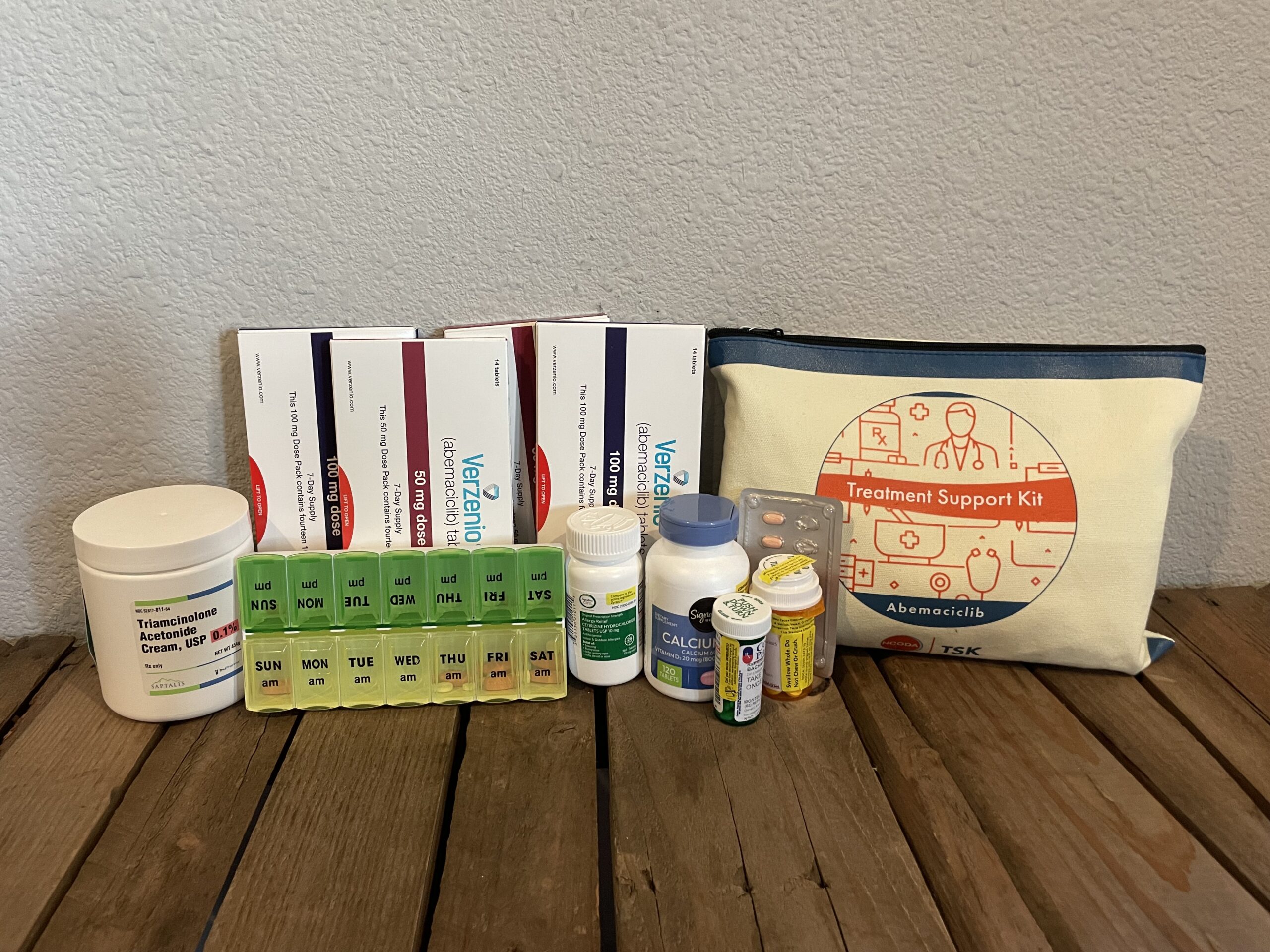
6. Adherence to Endocrine Therapy
For hormone receptor–positive breast cancer, adherence to tamoxifen or aromatase inhibitors significantly reduces recurrence and mortality risk.
If you are on Tamoxifen or an Aromatase Inhibitor, you know the cost: The joint pain. The hot flashes. The brain fog. Many women stop taking them because the quality of life is too low.
But research shows that exercise can reduce some endocrine therapy side effects. Making the side effects more tolerable helps you stay on the path your oncology team set for you.
Which again connects movement to survival in a very real way.

What’s Not on This List?
Being positive all the time. Never feeling stressed. Eliminating entire food groups, “Detoxing”. Perfection.
Outcomes are influenced by biology, treatment, and sustained health behaviors, not your emotional performance.
The Power of Agency
You cannot control: Your tumor biology, your cancer stage, or your past treatments.
But you CAN influence:
- How strong you become
- How much muscle you carry
- Your cardiovascular fitness
- Your sleep habits
- Your metabolic health
- How consistently you move
That isn’t pressure. That is agency. And agency is the antidote to fear.
This Is Why I Built the Pink Badger 3-Phase Method
Recovery needs to be intentional to help you reach the goals we’ve discussed above.
Recovery isn’t one stage.
RECOVER protects healing tissues.
RESTORE rebuilds strength and function after treatment.
REBUILD moves you beyond basic recovery and into higher-level strength, endurance, and confidence, while still respecting your lymphatic system and surgical history.
Because surviving treatment is one thing.
Building physiologic resilience for the long term is another.
And that part? We can train.

References
- Exercise Reduces Metastatic Recurrence Risk – BreastCancer.org
- American Cancer Society: Physical Activity and Cancer Survivorship
- American College of Sports Medicine (ACSM): Exercise Guidelines for Cancer Survivors
- UNC Cancer Rehabilitation Institute (UNCCRI): Phased Exercise Programming for Cancer
- Osborne, Julia. Breast Cancer Rehabilitation [Course Manual] Physiological Oncology Rehabilitation Institute.
- Holmes MD et al. JAMA. 2005;293(20):2479-2486.
- Irwin ML et al. J Clin Oncol. 2008;26(24):3958-3964.
- Schmitz KH et al. N Engl J Med. 2009;361:664-673.
- Ligibel JA et al. J Clin Oncol. 2017;35(18):1997-2004.